
Targeted Therapies
Guided by Your Data
Not just numbers, ACTION. Book a consult for peptide, hormone replacement, or GLP-1 guidance, built around your DEXA, RMR, VO₂ and lab results. Visit any of our locations at NYC | Bellmore | Stony Brook
Our Therapies
Start or level up your health journey with testing and analysis that turns data into clear next steps.

Struggling with visceral fat, slow recovery, poor sleep, or age-related decline?
Peptide Therapy
Medically guided regenerative therapy supporting metabolism, recovery, and body composition.
Sermorelin • Tesamorelin • NAD⁺
• Glutathione • L-Carnitine

Low energy, mood/libido changes, or harder fat-loss/muscle-gain than before?
Hormone Replacement
Personalized hormone optimization with ongoing scans, labs, and oversight.
Testerone Replacement Therapy

Appetite and plateaus keep winning—and you want a safe, structured path?
GLP-1 Weight Loss
Clinically supervised GLP-1 plan that protects lean mass while losing fat.
Sustainable Weight Loss and Healthy Habits with our Semaglutide Program
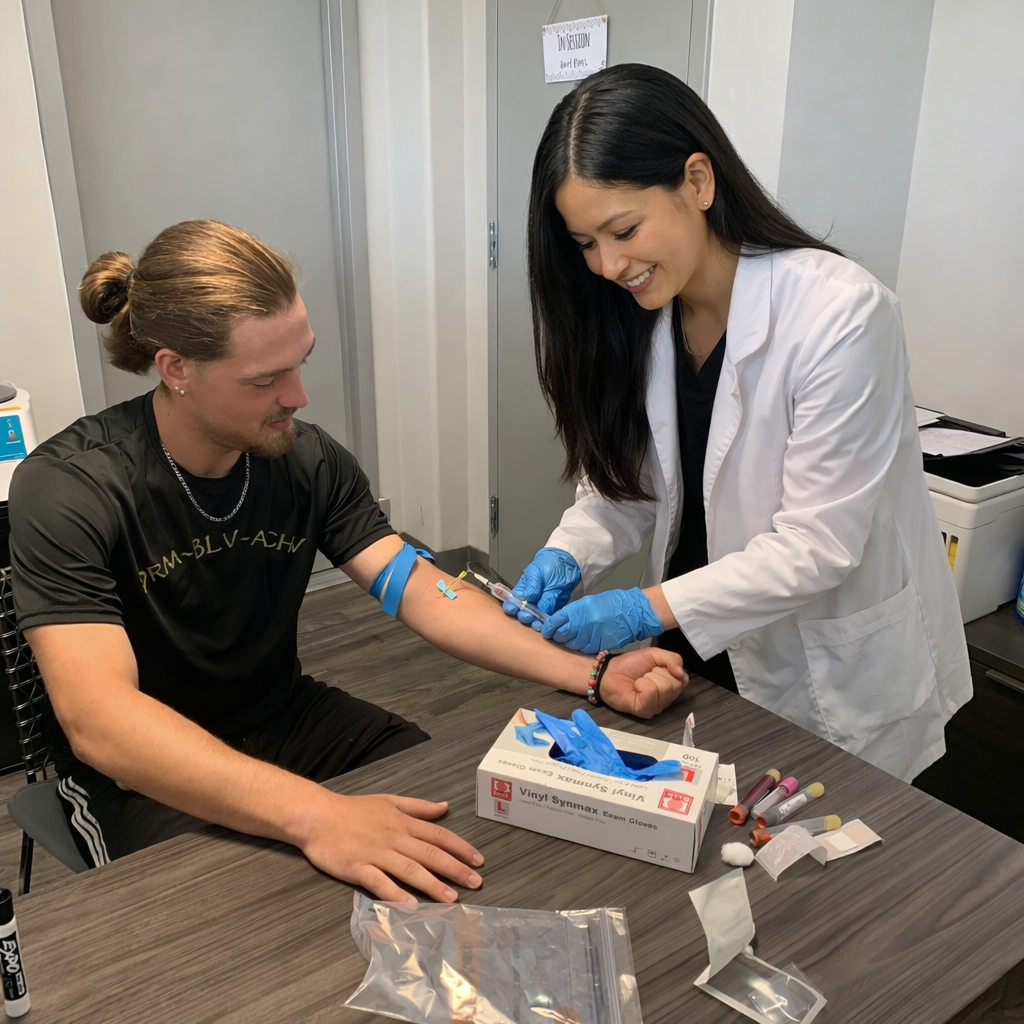
Please note: bloodwork is processed through your health insurance.
If your insurance plan includes a copay or deductible, you will be responsible for any additional charges billed by the lab. Our fee is separate and applies for the testing along with the 30-minute consultation with a medical practitioner, which is not covered by insurance.

Is Therapy the Right Next Step?
You’re doing the work, but results aren’t matching the effort. If progress feels slow, inconsistent, or unpredictable, the issue may not be motivation, it may be biology. Targeted therapies can help when metabolism, hormones, or recovery are working against you, but only when guided by real data. Do any of these issues sound familiar?
- Feeling stuck despite training or dieting?
- Low energy, poor recovery, or stubborn fat?
- Brain fog, poor sleep, or mood changes?
- Weight loss plateau even with effort?
- Hormone or metabolic numbers “off” on labs?
This is where objective testing and medical insight come together to determine whether therapy is appropriate and which path actually makes sense for your body.
Why DexaFit + Therapy Works
What sets our approach apart?
- Data-First Decisions - Every plan is built on measurable inputs: DEXA, RMR, VO₂, and labs, not assumptions.
- Medical Oversight
- All therapies are guided and monitored by licensed medical providers.
- Progress Tracking
- Retesting ensures changes are real, measurable, and adjusted over time.
- Long-Term Focus - We prioritize sustainable health outcomes, not short-term fixes.
“Therapy should never be based on guesswork.
At DexaFit, every recommendation starts with objective data and is refined through ongoing measurement.”

Bryan, Co Founder
Frequently Asked Questions
Testosterone Replacement Therapy
Am I a good candidate for Testosterone Replacement Therapy?
Testosterone therapy may be appropriate for individuals experiencing low energy, reduced motivation, poor sleep quality, decreased muscle mass, increased body fat, or brain fog. Candidacy is determined after a full intake and bloodwork review with the medical team to assess hormone levels and overall health.
What is Testosterone Pellet Therapy?
Pellet therapy uses bioidentical testosterone that matches the molecular structure of the hormone naturally produced by the body. Small pellets, about the size of a grain of rice, are inserted into the fatty tissue of the hip and release testosterone steadily over time.
How long is the procedure and how often is it performed?
The pellet insertion procedure typically takes 10–15 minutes. Light activity restrictions are recommended briefly afterward to reduce the risk of pellet extrusion. Most men receive pellet therapy approximately every five months, depending on individual response.
How is dosage determined?
Dosage is personalized based on lab results, medical history, symptoms, and individual response to therapy. Adjustments are made under medical supervision to ensure optimal hormone levels.
How often is lab work evaluated?
Follow-up lab work is performed after starting therapy to monitor testosterone levels and overall health markers. The timing of labs varies based on treatment method and patient response.
How long does it take to feel results?
Response times vary by individual. Some patients notice improvements in energy, mood, or focus within a few weeks, while others experience more noticeable benefits after subsequent treatment cycles.
What are potential risks or side effects?
Most patients tolerate Testosterone Replacement Therapy well. Potential side effects are uncommon and are minimized through proper screening, dosing, and ongoing medical monitoring.
What types of Testosterone Replacement Therapy are offered?
Testosterone therapy may be delivered through pellet therapy or intramuscular injections, depending on patient needs and provider recommendation.
How do I choose between pellet therapy and injections?
Both delivery methods are effective. The choice is made collaboratively with your medical provider based on lifestyle, preferences, and clinical considerations.
How are intramuscular testosterone injections administered?
Injections can be administered in-office or self-administered at home after proper instruction from the medical team.
Peptide Therapy
Who is a good candidate for peptide therapy?
Peptide therapy may benefit men and women seeking improvements in energy, recovery, body composition, sleep quality, or overall vitality. Eligibility is determined through patient intake and lab review.
What are the side effects of peptide therapy?
Peptides are composed of amino acids that the body naturally uses. Side effects are uncommon, and most patients tolerate therapy well when properly prescribed and monitored.
How are peptides delivered?
Peptides are compounded by licensed pharmacies and delivered directly to the patient.
How do I learn to administer and store peptides?
Patients receive clear instructions for administration, reconstitution, and storage. Ongoing support from the medical team is available if questions arise.
How is the right peptide protocol chosen?
The medical team reviews health history, labs, and goals to determine the most appropriate peptide or combination of peptides.
How much does peptide therapy cost?
Costs vary depending on the specific peptide protocol selected.
How long do peptide protocols last?
Some protocols are short-term, while others are designed for longer-term support. Duration depends on individual goals and response.
Do I need to change my routine while on peptides?
No major changes are required, though maintaining healthy nutrition, activity, sleep, and stress management can enhance results.
How quickly do peptides work?
Some effects may be noticed within weeks, while full benefits often develop over several months.
Is peptide therapy covered by insurance?
Peptide therapy is not typically covered by insurance.
GLP-1 Medical Weight Loss
Who is a good candidate for GLP-1 therapy?
GLP-1 therapy may be appropriate for individuals struggling with weight loss, appetite control, or insulin resistance, especially when lifestyle changes alone have not produced lasting results.
How does GLP-1 therapy support weight loss?
GLP-1 medications help regulate appetite, improve insulin sensitivity, and support sustained fat loss when combined with medical oversight, nutrition guidance, and activity.
Is GLP-1 therapy just about weight loss?
No. The goal is to improve body composition and metabolic health while preserving lean muscle mass and supporting long-term health.
How is progress monitored during GLP-1 therapy?
Progress is tracked using regular check-ins, lab work when appropriate, and DEXA body composition scans to monitor fat loss versus muscle retention.
Will I need to stay on GLP-1 medication forever?
GLP-1 therapy is designed to support weight loss while healthy habits are established. The long-term plan is individualized and may include transitioning off medication when appropriate.
Are there side effects?
Some patients experience mild gastrointestinal symptoms initially. Medical supervision allows for dosage adjustments to improve tolerance and safety.
Is nutrition support included?
Yes. Patients work with registered dietitians to ensure adequate nutrition, muscle preservation, and sustainable habits.
Is GLP-1 therapy covered by insurance?
Coverage varies. Many programs operate outside of insurance, with transparent monthly pricing discussed during consultation.